


Battery Bank Sizing: How to Ensure Your Batteries Survive Your Inverter
I have read several posts in the last week or so, where people have unfortunately and inadvertently destroyed batteries after installing an inverter.
It is important that your battery bank is sized to the loads you are going to run.
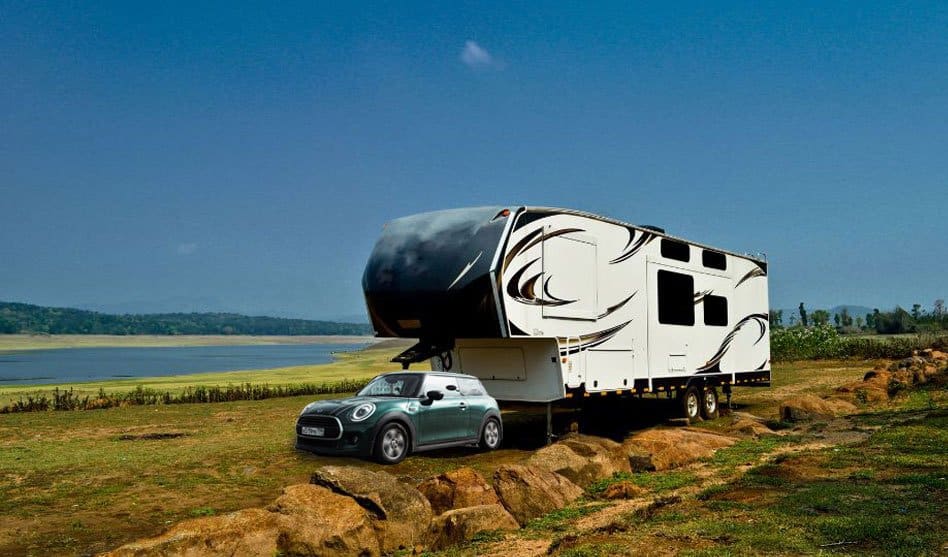
As a simple analogy, not many people would try and tow a big caravan with a mini, and if you did the mini would not last long, it’s the same thing here.
I often smile when i ask someone about their loads and they say, we don’t want to run much, maybe a kettle and a toaster.
So lets list a few decent loads to help with perspective below can all be considered big loads.
Electric Kettle 2000W +
Microwave 900 W +
Toaster 600W +
Air Conditioner 800W +
Induction Plate 2000W +
Water Heater 1000W
Coffee Machine 1400W
Then we have the likes of e-bike batteries which are very popular, now relatively low wattage, BUT they take a few hours to charge, so adds to a big load, in fact if you are charging 2 e-bike batteries that can be around 75 to 80Ah that has come out of your house batteries, into the bike batteries.
With the right setup, if you are careful with when you charge, it can be done with almost no draw from the batteries.
Charge when you’re driving if you have alternator charging, or with the right solar set up, they can be charged directly from the solar.
Laptops, another low load, so depends how often you charge.
If you are thinking about installing an inverter, talk to someone that knows how to do the calcs.
Because we all use our rigs differently.
Someone will say “we have a 2000W inverter for our coffee machine and only have 150Ah AGM and never run out of power, now that may be quite true, but likely they only have 1 coffee at breakfast, and that won’t help you if you are making 10 a day ☕️☕️☕️☕️🤪
There are also other considerations, how much solar, can make a huge difference to the overall performance as well as the right type and size of the battery bank.
🤓⚡️⚡️🚍
Frequently Asked Questions
Is it okay to charge multiple devices like phones, iPads, and MacBooks, or should I worry about overloading my batteries?
Charging phones, iPads, and MacBooks usually doesn’t put too much strain on your battery bank. However, it’s essential to keep an eye on your overall energy consumption, especially when charging power-hungry devices like a Canon camera.
Is it harmful to use mains power for long periods when my motorhome is parked at home?
If the vehicle is parked outside, the solar will adequately maintain the batteries for extended periods. It’s better to rely on solar. Lithium batteries don’t need to be kept full all the time like lead-acid batteries, so there’s no need to have them on mains power 24/7.
Can general-purpose automotive alternators handle large loads for extended periods?
Heavy-duty alternators, like those used in marine applications, are better suited for constant high-current loads. For lithium batteries, using a DC-DC charger can help keep the current draw within safe limits and protect your alternator.
Should I get another fixed solar panel, or can I connect the two 12V 100Ah batteries to the existing solar panel on the roof?
To determine the most efficient setup, it’s crucial to consider your energy consumption, battery bank capacity, and solar panel output. A consultation with a solar expert can help you make an informed decision based on your specific needs.
Can I use my inverter to charge e-bike batteries while driving without causing damage?
Charging e-bike batteries using the alternator while driving is a great idea, as it doesn’t impact your house batteries. However, this will reduce the amount of charge going to your house batteries, so it’s essential to find the right balance.
Why do people use inverters to charge their e-bikes when direct 12V charging with a transformer is more efficient?
Many people may not be aware of the direct 12V charging option for e-bikes. It’s true that using a transformer to step up the voltage to 42V can be more efficient and cost-effective than using an inverter. But most customers opt for the inverter as it can be used for other low-load charging.
Articles Referencing Inverters and/or Batteries
LiFePO4 Batteries | Charging Lithium Iron Phosphate Batteries Safely and Efficiently
For the purpose of this article any time I reference lithium, I'm referencing LiFeP04 - Lithium Iron Phosphate.I’d also like to take a minute to confirm the safety of LiFePO4, this chemistry is NON FLAMMABLE! It is other lithium chemistries that can burn!How do I...
Essential Maintenance and Troubleshooting Tips for Solar Power in Caravans and Motorhomes
Optimize your caravan or motorhome's solar system with our essential maintenance and troubleshooting tips. Experience off-grid living at its best with Motorhome Solar.

Insights from “Powered By Sunshine: Solar Power Systems for RVs”
Featured in Motorhomes, Caravans & Destinations, Wayne Hunt shares key RV solar tips. Discover expert advice on efficient solar setups
Lead Acid Battery Maintenance Essentials: From Flooded to Sealed Units
Discover essential Lead Acid Battery Maintenance tips and techniques to prolong the life of your batteries. From flooded to gel types, our guide covers all you need to ensure your batteries' optimal performance and longevity.
Prioritizing Safety on the Road: Why a Quality Battery with a BMS (Battery Management System) is a Must
Embark on a safe journey with the right battery. Learn from Wayne's first-hand experience about the importance of a Battery Management System (BMS) in your motorhome.

Understanding Controller SOC (State of Charge)
Tech tip time - we review a PWM controller and the displayed State of Charge (SOC), how the controller is wired, and the impact that has on your battery.

Modified or Pure Sine Wave Inverters – Which Are Better?
An inverter is a device that converts direct current (DC) to alternating current (AC). Modified sine wave inverters are less expensive than pure sine wave inverters, but they may not work well with some appliances.
Lithium Battery Installations
This post about installing lithium batteries is primarily for DIY builders and installers. We have started to see people having a few performance issues with self-installed Lithium batteries.

A Solar System Upgrade
"I wanted a cleaner look in the main battery box on the lithium bank, so gave my system an upgrade. Take a look at what I did and the outcome."

A Word About Lithium Batteries
Wayne shares his research on Lithium batteries for motorhomes in NZ, to help to clarify an area of misinformation and huge price variances.