


What Size Inverter Do I Need?
Understanding The Inverter – A Basic Guide for Motorhome Solar
We frequently receive questions about inverters, leading us to create this basic guide. The goal is to help you better understand how inverters work and to dispel some common myths.
Introduction to Motorhome Solar Systems
Motorhome solar systems are designed to provide a reliable and efficient source of power for household appliances while on the move. These systems typically consist of solar panels, a power inverter, a battery bank, and other essential components. The primary function of a motorhome solar system is to convert DC power from the solar panels into AC power for household appliances.
To determine the right inverter size for a motorhome solar system, it’s essential to calculate the total power consumption of all appliances. This includes considering the power requirements of air conditioners, refrigerators, electric lights, and other essential appliances. The inverter size should be sufficient to handle the peak load of all appliances, including a safety margin to prevent overloading.
A pure sine wave inverter is best for sensitive devices, offering smooth and consistent output. The battery bank should be designed to provide enough power to supply the motorhome’s appliances during periods of low sunlight or at night. By carefully selecting the right components and ensuring they are properly sized, you can enjoy a seamless and efficient power supply for all your household appliances on the road.
A Basic Guide
We frequently receive questions about inverters, leading us to create this basic guide. The goal is to help you better understand how inverters work and to dispel some common myths. A pure sine wave inverter is recommended for motorhome solar systems, as it provides a stable and efficient power supply.
When selecting an inverter, you’ll want to match your inverter to what you use — both the appliance wattage and how often you run them.
This ensures that the inverter can handle the load without any issues. A high-efficiency inverter can help reduce energy consumption and minimize power losses, ensuring optimal performance.
Snapshot
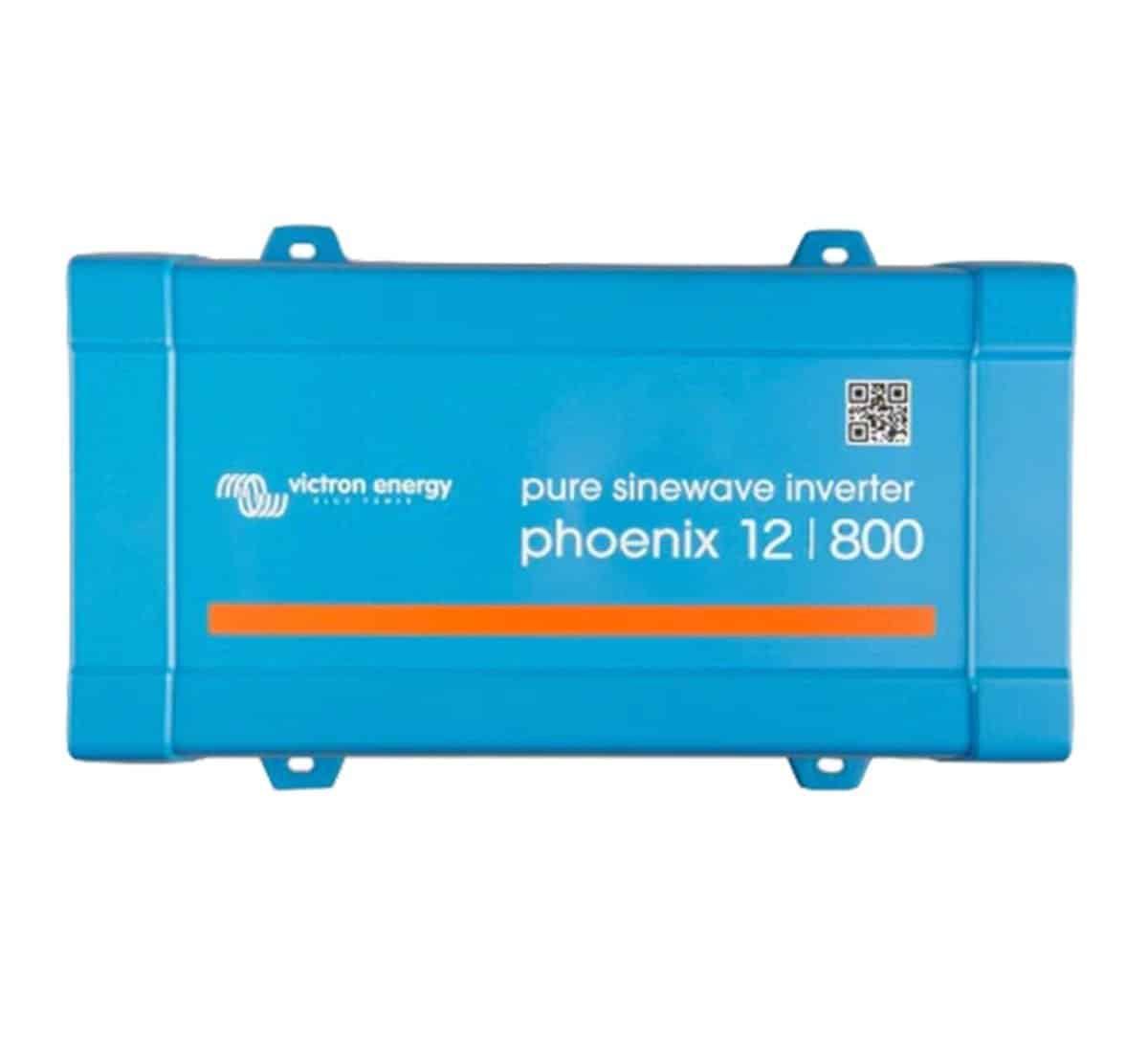
Think of an inverter as a helper for your caravan or motorhome’s energy system. Batteries store energy in a form called direct current (DC), but many of our everyday appliances need energy in a form called alternating current (AC) to run properly.
Direct current (DC) is the type of electricity stored in batteries, while alternating current (AC) is used by most household appliances. An inverter’s job is to convert, or change, the energy from DC to AC so you can use your appliances like you do at home. This includes essential electrical appliances like kettles, chargers, and lighting. Even a basic light bulb draws power continuously — and if you’re using multiple lights for long periods, it’s worth including that in your calculations.
It’s crucial to choose an inverter that matches both the appliances you want to use and the battery you have, to ensure everything runs smoothly and efficiently, considering both DC and AC watts. It lets you run things like your fridge or microwave when you’re off-grid.
To help convey the relationship between the three, a great analogy would be to think of a car representing our battery, a trailer representing our load, and the fuel tank representing our solar.
Inverter Function and Importance
An inverter is a critical component of a motorhome solar system, responsible for converting DC power from the solar panels or battery bank into AC power for household appliances. An inverter keeps power flowing steadily so your appliances can run without issues. The importance of an inverter lies in its ability to regulate the power supply, preventing damage to appliances and ensuring safe operation.
When selecting an inverter, you’ll want an inverter that suits your setup and appliances, as well as the power requirements of the motorhome’s appliances. A high-efficiency inverter can help reduce energy consumption and minimize power losses, while a modified sine wave inverter may be sufficient for smaller motorhome solar systems. The inverter should be designed to handle the starting wattage and surge rating of all appliances, including air conditioners and refrigerators.
If your inverter is too small, it may shut down or struggle with high-draw appliances, while a smaller inverter may not be sufficient to handle the power demand. It’s recommended to consult the owner’s manual for each appliance to determine the specific power requirements and select an inverter that meets those needs. By choosing the right inverter, you can ensure a stable power source for your appliances for all your household appliances on the road.
How to size an Inverter, and analogies for better understanding
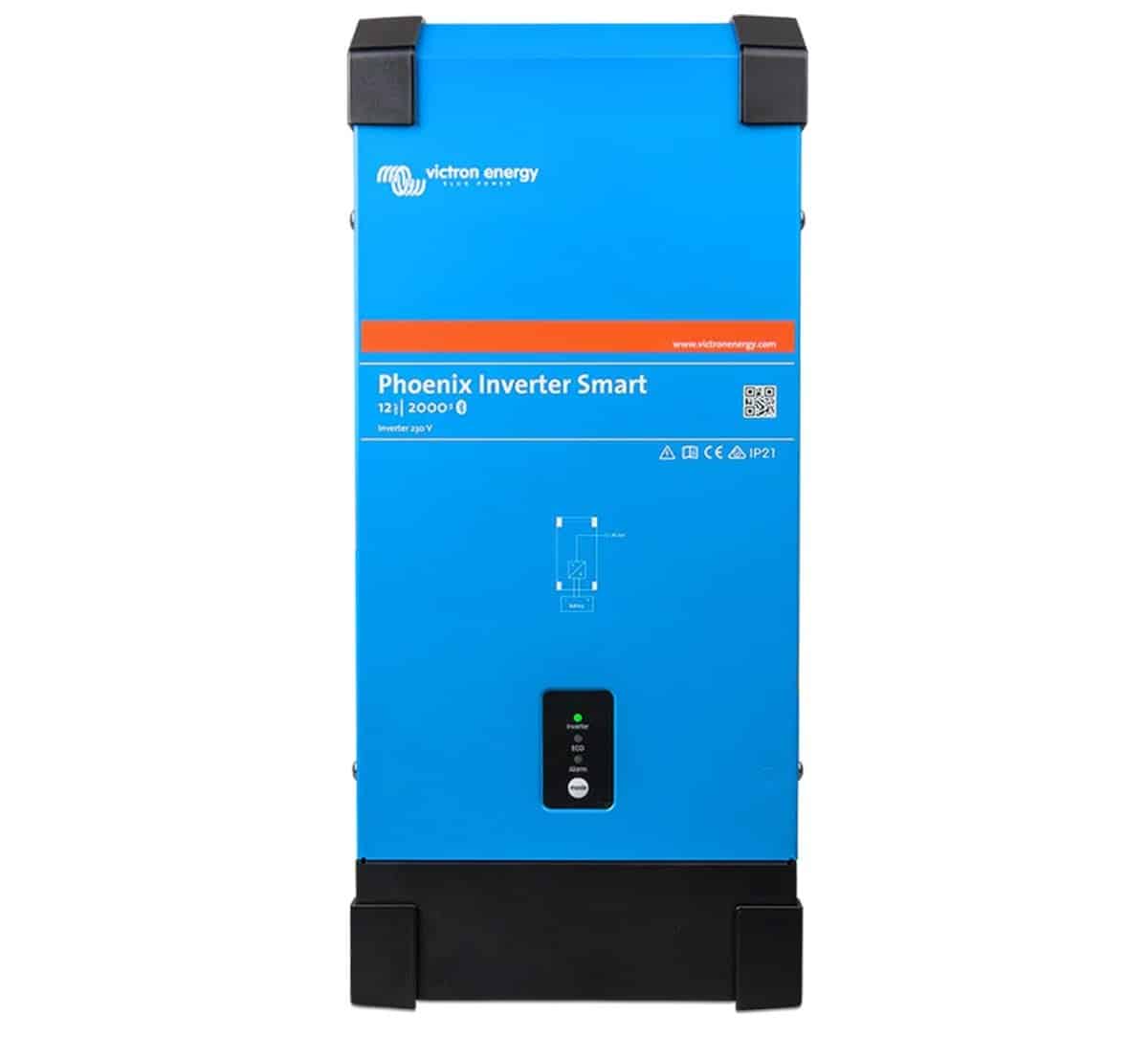
Inverters convert 12-volt battery power back up to 230-volt, also known as ‘shore power’, enabling you to operate regular household appliances. The size of the inverter you’ll need is based on the total wattage of the appliance you intend to use. It’s also important that your inverter can convert AC watts efficiently to avoid overload or power dropouts. For a clearer understanding of your power needs, consider getting a free personalised power plan. It’s important to consider both the continuous wattage and peak wattage of the appliances to ensure the inverter can handle the load.
For instance, a fridge may have a running wattage of 250W and a Nutribullet 800W, so we would need a 1200W inverter.
Once you install the 1200W inverter, we can’t then use a 1500W coffee machine, as this will cause the inverter to shut down.
Practical Considerations: Battery Size and Load Capacity
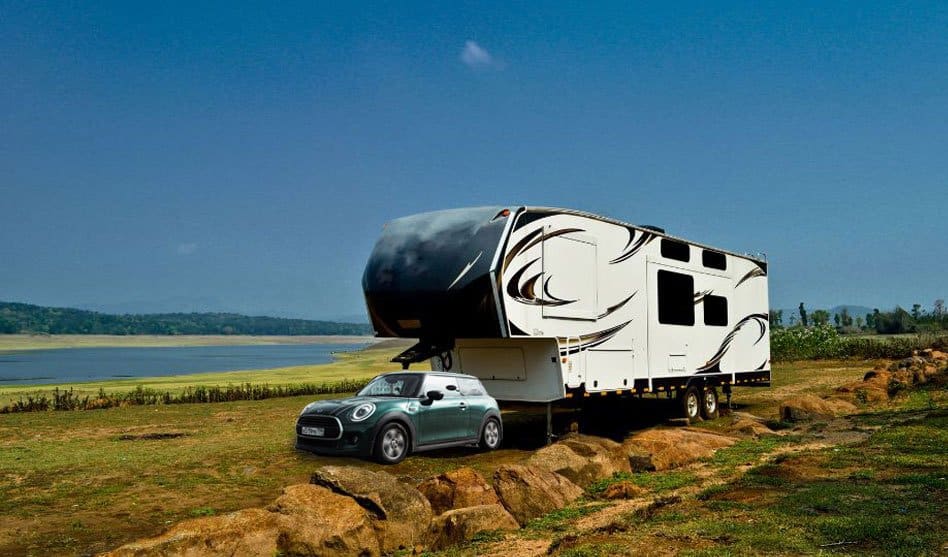
The larger the load, the more powerful the vehicle needed to tow that load, and the larger the battery capacity required to run the vehicle. You wouldn’t tow a big caravan with a small hatchback, you might get a wee way down the road, but it will start overheating, the transmission will start to protest and the brakes will get hot.
Calculating the amp hours is crucial to determine the number of batteries required for an inverter system, ensuring it can handle the energy needs.
Consider a robust battery bank of 300Ah or greater, so you have the power to supply power to all your appliances, and you’d then also need a larger fuel tank to feed the engine (so more solar panels).
Why? Because it’s not fit for purpose.
Think of a single 100Ah battery as a small car, it will handle small loads like low amp charging, but if you try to run a coffee machine or charge ebike batteries it will start to protest. It might work a few times but like the car (whose clutch is now slipping) it won’t last for as long as it should. It’s important to use the correct battery voltage to ensure adequate performance, especially when powering appliances during extended use.
If we move up to a mid-sized car, we can do a lot more with it – in our analogy this would be a 200Ah battery bank with its larger ‘fuel tank’ to handle the load.
So it would be fine to run a coffee machine a few times a day, some e-bike charging, limited microwave use, etc., considering the power requirement of each appliance. However, frequency does come into play – if you drink ten coffees a day you will probably need a bigger bigger ‘fuel tank,’ meaning you’d need a larger battery bank and more solar panels.
If you’d also like to use high power appliances like a hairdryer, coffee machine, e-bike, microwave, toaster, CPAP machine etc. you’ll need to get a really solid, good quality ‘tow vehicle’ with plenty of power. Consider a robust battery bank of 300Ah or greater, so you have the power, and you’d then also need a larger ‘fuel tank to feed the engine’ (so more solar panels).
Seasonal and Geographical Factors
Solar power generation varies significantly between summer and winter. In winter, you may need to double your solar capacity to meet the same energy needs you have in summer. And if you’re off-grid full-time, a robust setup ensures you’re not caught short during a power outage.
So if you calculate 400W to meet your needs, you will actually need 800W. This is because the solar harvest in winter is only half that of summer (and sometimes less).
During power outages, having a reliable inverter and battery system is crucial to ensure continuous power supply.
This is often why there can be several ‘correct’ answers to the same question.
You might read, we have xyz batteries and abc solar and we use all these appliances and never run out. But what isn’t said is that they only use the rig in summer so only need half the solar of a full-timer.
Another consideration is your location. Solar yield can also be influenced by other factors such as panel tilt, orientation, and environmental conditions. For instance, you’ll harvest less solar energy during winter in the South Island compared to Northland.
Battery Types: A Quick Note
This is meant as a guide to give a basic understanding, the battery references are based on AGM batteries. If you have lithium Iron Phosphate batteries or if you’re using any deep cycle battery, you’ll get more usable capacity than with standard starter-style options. The size of bank will be smaller, but also based on the depth of discharge of your particular battery.
Inverter efficiency plays a significant role in determining the backup power duration based on the load, ensuring the system is adequately powered while minimizing costs.
At Motorhome Solar, our preference for Victron Inverters stems from their consistent reliability and advanced technology. We value providing straightforward, efficient power solutions to our motorhome and caravan owners, and Victron aligns with our commitment to quality and dependability.
Victron inverters are versatile, user-friendly, and durable, making them a practical choice for those looking to simplify their solar power setups on the road, especially when using deep cycle batteries. Victron’s range includes pure sine wave inverters, ideal for running sensitive electronics without interruption.
In choosing Victron, we aim to offer solutions that are both technologically sound and easy to manage, aligning with the diverse needs of our community.
Victron Inverters are efficient and reliable, converting DC battery power into usable energy for your everyday gear. Their advanced technology ensures optimal performance, making them a top choice for dependable power solutions.
Victron offers a range of inverters to suit different needs, from compact models for smaller loads to robust units for high-power appliances. They integrate well with other Victron products and are compatible with various battery types and solar panels.
With a user-friendly interface, Victron Inverters allow efficient monitoring and management of power usage. They are durable, sustainable, and designed to withstand varying environments, contributing to long-lasting and eco-friendly power solutions.
Troubleshooting Common Issues
Common issues with motorhome solar systems include inadequate power supply, inverter failure, and battery bank problems. Troubleshooting these issues requires a systematic approach, starting with checking the solar panels and battery bank for any signs of damage or malfunction. The inverter should be checked for any error codes or warning lights, and the system should be inspected for any loose connections or damaged wiring.
If the issue persists, it may be necessary to consult the owner’s manual or contact a qualified professional for assistance. Inadequate power supply can be caused by a variety of factors, including insufficient solar panel array size, inadequate battery bank capacity, or excessive power consumption. Inverter failure can be caused by overheating, overloading, or poor maintenance, while battery bank problems can be caused by deep discharging, overcharging, or poor maintenance.
Regular maintenance and inspections can help prevent these issues and ensure reliable and efficient operation of the motorhome solar system. By following proper troubleshooting procedures and addressing any issues promptly, motorhome owners can enjoy a reliable and efficient source of power for their household appliances.
Power Your Adventure with a Victron Inverter
Contact us today for personalised advice and support, and find the perfect Victron Inverter model and capacity to match your needs and usage patterns.
Articles Referencing Inverters
Essential Maintenance and Troubleshooting Tips for Solar Power in Caravans and Motorhomes
Optimize your caravan or motorhome's solar system with our essential maintenance and troubleshooting tips. Experience off-grid living at its best with Motorhome Solar.

Insights from “Powered By Sunshine: Solar Power Systems for RVs”
Featured in Motorhomes, Caravans & Destinations, Wayne Hunt shares key RV solar tips. Discover expert advice on efficient solar setups
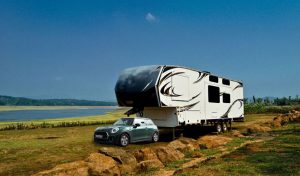
Battery Bank Sizing: How to Ensure Your Batteries Survive Your Inverter
Avoid battery mishaps by sizing your battery bank correctly. In this post we chat about battery bank sizing for your inverter and other appliances.

Modified or Pure Sine Wave Inverters – Which Are Better?
An inverter is a device that converts direct current (DC) to alternating current (AC). Modified sine wave inverters are less expensive than pure sine wave inverters, but they may not work well with some appliances.

A Solar System Upgrade
"I wanted a cleaner look in the main battery box on the lithium bank, so gave my system an upgrade. Take a look at what I did and the outcome."
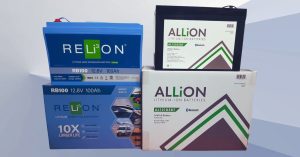
LiFePO4 Batteries | Charging Lithium Iron Phosphate Batteries Safely and Efficiently
For the purpose of this article any time I reference lithium, I'm referencing LiFeP04 - Lithium Iron Phosphate.I’d also like to take a minute to confirm the safety of LiFePO4, this chemistry is NON FLAMMABLE! It is other lithium chemistries that can burn!How do I store my LiFePO4 battery when not using the RV?The first thing to note is that lithium batteries do not get damaged when left partially charged, like lead batteries do. When we reference long term storage, 3 months plus is a good...
Essential Maintenance and Troubleshooting Tips for Solar Power in Caravans and Motorhomes
Optimize your caravan or motorhome's solar system with our essential maintenance and troubleshooting tips. Experience off-grid living at its best with Motorhome Solar.

Solar Power Generation Winter vs Summer
Compare solar power generation winter vs summer. Prepare your motorhome’s 12V system & diesel heater for colder months.

Victron Battery Monitor (Shunt) – Why Your RV Needs One
A Victron Battery Monitor, also known as a Battery Shunt, offers precise monitoring of your RV’s battery status. Avoid overcharging and undercharging while extending battery life with reliable performance data.
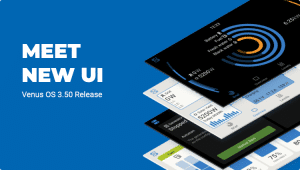
Venus OS 3.50: A Smarter Way to Manage Your System
Discover the new Venus OS 3.50 update. Enjoy a modern interface, enhanced security, and better generator control for seamless energy management.
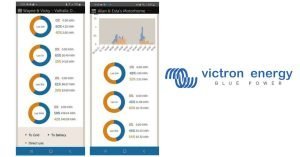
Maximising Battery Life with a MPPT Solar Controller
A comprehensive guide to using a MPPT Solar Controller and a case study detailing its importance and power in aiding the efficient use of solar energy. This is a real-life overview of high-quality solar system components and benefits
Update on Electrical Standards for Motorhomes and Caravans in New Zealand
Explore the latest on NZ's electrical standards for motorhomes & caravans. Understand why the Australian AS-NZS 3000:2023 standard is not in effect in NZ, and how it impacts you. Stay informed.
Insights from “Powered By Sunshine: Solar Power Systems for RVs”
Featured in Motorhomes, Caravans & Destinations, Wayne Hunt shares key RV solar tips. Discover expert advice on efficient solar setups
Victron Inverter Charger Firmware Updates
Upgrade your Victron Inverter Charger Firmware - Wayne highlights the importance of staying current with the latest enhancements for energy efficiency and battery protection in your RV.
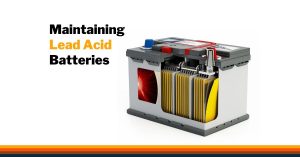
Lead Acid Battery Maintenance Essentials: From Flooded to Sealed Units
Discover essential Lead Acid Battery Maintenance tips and techniques to prolong the life of your batteries. From flooded to gel types, our guide covers all you need to ensure your batteries' optimal performance and longevity.
Victron Smart Solar App Guides
Explore Victron Smart Solar App guides for efficient motorhome solar system monitoring. Step-by-step tutorials to optimize your energy management.
Don’t Get Hacked | How to Change Your Victron PIN
Discover how to secure your Victron power systems in your motorhome. Learn to change the default Victron PIN, troubleshoot with PUK codes, and ensure uninterrupted power and safety on your travels.
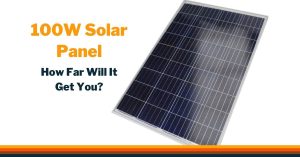
100W Solar Panel – How Far Will One Get You?
Explore the versatility of a 100W Solar Panel! Dive into its benefits, practical uses, and how it can elevate your off-grid adventures. Discover more with Motorhome Solar.
Cost of Solar Panels – How Falling Prices in China Can Benefit You
If you're drawn to the open road and the sense of adventure it brings, we have some intriguing news about the cost of solar panels that could make your travels even more enjoyable.In this article, we'll be exploring: Current Solar Market Trends: How an increase in polysilicon production is leading to historic lows in the cost of solar panels. How Motorhome Solar is Responding: Our approach to these market trends and how we aim to bring the best value to our customers. The Impact of Market...

Quieting the Tick-Tick-Tick – Exploring Quieter Diesel Heaters
Upgrade for a quieter diesel heater. DIY solutions or newer models with sound reduction. Enjoy warmth, peace, and quiet on your motorhome adventures.
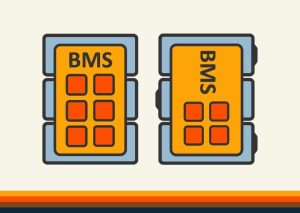
Prioritizing Safety on the Road: Why a Quality Battery with a BMS (Battery Management System) is a Must
Embark on a safe journey with the right battery. Learn from Wayne's first-hand experience about the importance of a Battery Management System (BMS) in your motorhome.
Embracing the Future: Innovations in Solar Panel Recycling
Learn about solar panel recycling: the next step in eco-friendly travel for motorhome and caravan owners.

Unfolding the Future of Renewable Energy at Smart Energy 2023, Sydney
Folding solar panels are evolving! Join Wayne Hunt as he uncovers cutting-edge advancements in efficiency and design.
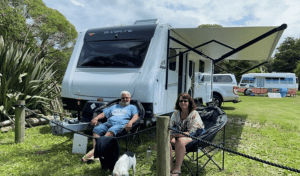
Unplugged and Loving It: The Story of a Semi-Retired Couple’s Off-Grid Adventure
Read about Greg and Sandy Corbett's journey to off-grid freedom in their 24-foot Jayco, powered by a custom Motorhome Solar solution that supports their work and leisure needs.
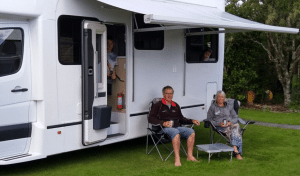
How an Ex-Rental Became a Solar Powered Off-Grid Superstar
No more rainy day worries: Keith & Brenda's ex-rental powered by Motorhome Solar for reliable off-grid living.
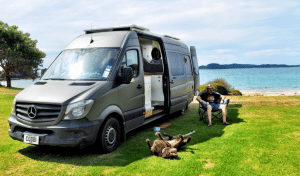
How Custom Designed Electrics Helped Convert A Courier Van Into A Comfy Off-Grid Camper
Learn how the team at Motorhome Solar helped Lloyd and Laura Jerome convert their courier van into a comfy off-grid camper with unhindered TV viewing, hot water, and heating. Get a free assessment of your vehicle and lifestyle requirements to design a customised solar system for your campervan setup. Contact Motorhome Solar for a no-obligation, lifestyle power assessment for your caravan or motorhome, in-person or remotely, anywhere in New Zealand.
Battery Bank Sizing: How to Ensure Your Batteries Survive Your Inverter
Avoid battery mishaps by sizing your battery bank correctly. In this post we chat about battery bank sizing for your inverter and other appliances.

Understanding Controller SOC (State of Charge)
Tech tip time - we review a PWM controller and the displayed State of Charge (SOC), how the controller is wired, and the impact that has on your battery.
Modified or Pure Sine Wave Inverters – Which Are Better?
An inverter is a device that converts direct current (DC) to alternating current (AC). Modified sine wave inverters are less expensive than pure sine wave inverters, but they may not work well with some appliances.

The Impact of Shade on Your Solar Panel
Many of our motorhomes have a lot of gear on the roof that can cause shading on some of our panels, which can reduce efficiency. Let's take a look at the detail.
A Solar System Upgrade
"I wanted a cleaner look in the main battery box on the lithium bank, so gave my system an upgrade. Take a look at what I did and the outcome."

A Word About Lithium Batteries
Wayne shares his research on Lithium batteries for motorhomes in NZ, to help to clarify an area of misinformation and huge price variances.