


Frequently Asked Questions
Have a question about your motorhome’s solar or electrical setup?
We’re happy to help. Whether it’s about solar panels, batteries, inverters, or anything else related to keeping your motorhome powered up, the team are available to give you clear, practical advice.
How Does It Work?
Have questions about your motorhome’s solar or electrical setup? Whether it’s about solar panels, batteries, inverters, or general off-grid advice, our team are available to help.
Submit your question, and you’ll receive clear, practical advice.
BATTERY MAINTENANCE TIPS: How do we look after our batteries when the van is sitting at home, not being used?
Great question! If your motorhome is parked up and you’ve got solar panels on the roof, that’s pretty much all you need. The solar will keep your batteries topped up during the day and let them rest at night, which is exactly what they like. You don’t need to leave any lights or appliances on—just let the solar do its job.
Now, if you’re plugging into mains power, things get a bit trickier. Not all chargers are created equal. Some chargers will keep pushing power into the batteries non-stop, and batteries don’t appreciate being charged 24/7. It can shorten their lifespan. That’s where something like a Victron charger comes in handy—they have a “storage mode” that charges the batteries, then gives them a rest, and kicks back in when needed. So, if you’re using mains power, make sure your charger can give the batteries a break.
Solar provides charge during the day and rests the batteries at night, which is beneficial since batteries shouldn’t be charged continuously.
For mains charging, ensure your charger can give the batteries a break; otherwise, prolonged charging may shorten battery life.
Victron chargers have a storage mode that monitors and charges intermittently, which is ideal.
BATTERY MAINTENANCE: Do I need to rest my charger when plugged into mains full-time?
If your motorhome is on mains hookup full-time, your charger may not have a built-in rest cycle. This can shorten battery life over time. If your charger doesn’t have a ‘storage mode,’ you’ve got two simple options—use a cheap 24-hour timer to turn it off overnight, or upgrade to a Victron charger that automatically manages resting periods.
BATTERY RECOVERY AND MAINTENANCE: What happens if lead-acid batteries go completely flat?
Lead-acid batteries really don’t like being discharged all the way down to zero. If they go dead flat—even just once—it can be tough to bring them back to full health. They might not hold a charge like they used to, and their overall lifespan can be shortened. If it happens multiple times, you might find they don’t recover at all. So it’s important to keep an eye on your battery levels and avoid letting them drop too low.
MULTIPLE CHARGING DEVICES: Are there any considerations for systems with multiple chargers?
Good question. If you’ve got multiple charging sources—like solar controllers, DC-DC chargers, mains chargers—they all work independently but aim for the same charge voltage. They each do their bit to get the batteries up to that target voltage.
There’s no harm in having multiple chargers; in fact, they can get your batteries charged up more quickly. If you want them to work in perfect harmony, you can use a battery shunt or smart monitoring system that tells all the devices the exact battery voltage, keeping everything synchronised.
DETERMINING SOLAR PANEL WATTAGE: How can I determine the wattage output of my roof solar panels?
The best way is to look for the data label that’s usually on the underside of each panel. Sometimes it’s hard to see, but you can use a small mirror and a torch to read it without removing the panel.
If that’s not possible, you can estimate based on the physical size of the panel. For example, older panels that are about 1.3 metres long and 0.5 metres wide might be around 120 watts, whereas modern panels of the same size could be up to 200 watts.
SOLAR PANEL MAINTENANCE AND LONGEVITY: Do solar panels have an end of life, and do they diminish over time?
Yes, solar panels do degrade gradually over time. Older panels might lose efficiency faster, but modern panels are designed to retain about 80–90% of their original output even after 20–25 years.
Quality matters here—investing in tier-one panels can ensure better performance and longevity compared to cheaper alternatives. So while panels don’t last forever, they do have a pretty long and productive life.
PORTABLE SOLAR PANELS: Are portable folding solar panels effective?
Yes, they can be a great addition, especially if you don’t have space on your roof for more panels.
Just be sure to choose quality panels—look for ones that are lightweight, durable, and efficient. Some of the newer composite panels are thin, waterproof, and easy to deploy. Brands like EcoFlow offer good options. They can help top up your batteries when you’re parked up and need a bit of extra juice.
SOLAR PANEL CONSIDERATIONS: Is it bad to cover the solar panels on a motorhome?
Covering your solar panels isn’t going to damage them, but it does mean they won’t generate any power. So if you’ve got a cover over your motorhome for an extended period, your batteries won’t be getting charged from the solar panels. That means you might need to plug into mains power to keep the batteries maintained. For short periods, a few days here and there, it’s not a big deal. Just be aware that with the cover on, the solar panels can’t do their job.
FRIDGE AND APPLIANCE MANAGEMENT: Should we leave a solar fridge freezer on when not using the motorhome?
There’s no need to keep your fridge running when you’re not using the motorhome. Turn it off, and it won’t affect the fridge or the batteries.
Just remember to leave the fridge door slightly open to allow air circulation and prevent any mould or mustiness. Most RV fridges have a little latch or setting that keeps the door ajar when they’re turned off.
DC VS AC POWER IN MOTORHOMES: Can an AC-controlled satellite dish be converted to DC?
In most cases, yes. Often, devices like satellite dish controllers come with a 230V AC to 12V DC transformer—that’s the little brick you plug into the wall.
If you check the specs and it says the output is 12V DC, you can usually wire it directly into your 12V system. Just be sure to verify the voltage requirements first.
If in doubt, consult with a professional or someone experienced with RV electrical systems.
CALCULATING SOLAR NEEDS: How do you calculate the amount of solar required for different times of year?
We use climatic data from NIWA, which provides detailed solar irradiance information for different parts of New Zealand throughout the year.
By knowing where and when you typically travel, we can calculate how much solar energy you’ll receive and size your solar array accordingly.
It’s not a one-size-fits-all answer—it depends on your location, the time of year, and your energy consumption needs. This way, we ensure you have enough power without overloading your roof with unnecessary panels.
IMPORTANCE OF KEEPING SOLAR PANELS CLEAN: Is it important to keep solar panels clean?
Absolutely. Dust, dirt, and debris can reduce the efficiency of your panels. A simple wash every few months with warm, soapy water will do the trick. There’s no need for harsh chemicals or special cleaners. Just be cautious if you’re climbing up on the roof—safety first!
ABOUT SMARTSHUNT SETTINGS: Why does my SmartShunt show 100% SOC when my batteries are only 70% charged, and what can I do about it?
This usually happens because the SmartShunt needs to be recalibrated. If your State of Charge (SOC) reading doesn’t match your battery levels, it’s likely a settings issue. We recommend a professional tune-up to adjust the SmartShunt settings properly. Book an appointment with us in Hamilton, and we can sort it for you. Accurate readings make all the difference when managing your power system.
SOLAR PANEL OUTPUT: How can I tell what size my solar panel is?
Q: How do I know what size my solar panel is, or how much power it’s producing?
A: Most panels have a label underneath showing the wattage, voltage, and current. This is essentially what the panel can produce in ideal conditions. If it’s hard to see, a good trick is to slide your phone under the panel and take a photo or video of the label.
If there’s no label or it’s unreadable, we can usually make a fair estimate just by looking at the size and type of panel. Always happy to help if you’re unsure.
CHARGING SYSTEMS AND TIMERS: How long should we run a charger with a timer to protect the batteries?
If your charger doesn’t have a built-in storage mode, you can mimic that by using a simple timer. Set it to run 12 hours on, 12 hours off. That way, the batteries get charged for half the day and rest for the other half, similar to how they’d behave with solar charging. It’s a straightforward way to look after your batteries without needing a fancy charger.
CHOOSING THE RIGHT FRIDGE FOR YOUR MOTORHOME: Is a three-way (gas, mains, battery) or compressor fridge better for motorhomes?
It depends on your setup, but I tend to favour compressor fridges if you’ve got enough room on the roof for the solar panels needed to power them.
Compressor fridges are generally more efficient and have lower energy consumption.
That said, modern three-way fridges are still quite good and can keep your food and drinks cold without issue. It’s really about balancing your available solar capacity with your energy needs.
CHARGING E-BIKE BATTERIES: How can we charge e-bike batteries without a powered site or inverter?
Charging e-bike batteries off-grid is a common challenge. One solution is to install an inverter in your motorhome to provide the 230V AC needed for the e-bike charger. You’ll likely need to increase your battery capacity and add more solar panels to handle the extra load.
Also, take advantage of charging while you’re driving, as the alternator can help supply power without draining your house batteries. Remember, it’s better for the e-bike batteries to charge them regularly rather than letting them run completely flat.
PANEL COMPATIBILITY AND CONFIGURATION: Can different-sized panels be connected together?
Technically, yes, but there are some caveats. The panels need to have compatible voltage and current characteristics. If you connect mismatched panels incorrectly, you might not get the full potential out of them, and the system could be less efficient. Sometimes it’s better to use separate solar controllers for different panels or to configure them in series or parallel carefully. It’s a bit complex, so it’s best to consult with someone who knows the ins and outs of solar panel configurations.
VOLTAGE CONSIDERATIONS FOR SOLAR SYSTEMS: Is there an advantage to going from 12V to 24V systems?
There can be. Moving to a 24V system is beneficial if you’re running large inverter loads, like heavy-duty appliances, because it allows for smaller cables and can be more efficient. However, most RV appliances are designed for 12V, so you’d need voltage reducers to run them on a 24V system, which adds complexity and cost. It’s a trade-off, and whether it’s worth it depends on your specific energy needs and setup.
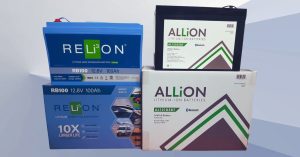
LiFePO4 Batteries | Charging Lithium Iron Phosphate Batteries Safely and Efficiently
For the purpose of this article any time I reference lithium, I'm referencing LiFeP04 - Lithium Iron Phosphate.I’d also like to take a minute to confirm the safety of LiFePO4, this chemistry is NON FLAMMABLE! It is other lithium chemistries that can burn!How do I store my LiFePO4 battery when not using the RV?The first thing to note is that lithium batteries do not get damaged when left partially charged, like lead batteries do. When we reference long term storage, 3 months plus is a good...
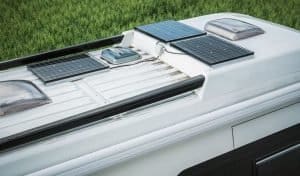
Essential Maintenance and Troubleshooting Tips for Solar Power in Caravans and Motorhomes
Optimize your caravan or motorhome's solar system with our essential maintenance and troubleshooting tips. Experience off-grid living at its best with Motorhome Solar.

Solar Power Generation Winter vs Summer
Compare solar power generation winter vs summer. Prepare your motorhome’s 12V system & diesel heater for colder months.

Victron Battery Monitor (Shunt) – Why Your RV Needs One
A Victron Battery Monitor, also known as a Battery Shunt, offers precise monitoring of your RV’s battery status. Avoid overcharging and undercharging while extending battery life with reliable performance data.
Venus OS 3.50: A Smarter Way to Manage Your System
Discover the new Venus OS 3.50 update. Enjoy a modern interface, enhanced security, and better generator control for seamless energy management.
Maximising Battery Life with a MPPT Solar Controller
A comprehensive guide to using a MPPT Solar Controller and a case study detailing its importance and power in aiding the efficient use of solar energy. This is a real-life overview of high-quality solar system components and benefits
Update on Electrical Standards for Motorhomes and Caravans in New Zealand
Explore the latest on NZ's electrical standards for motorhomes & caravans. Understand why the Australian AS-NZS 3000:2023 standard is not in effect in NZ, and how it impacts you. Stay informed.

Insights from “Powered By Sunshine: Solar Power Systems for RVs”
Featured in Motorhomes, Caravans & Destinations, Wayne Hunt shares key RV solar tips. Discover expert advice on efficient solar setups
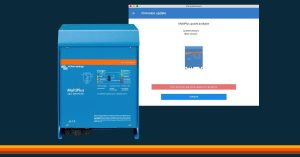
Victron Inverter Charger Firmware Updates
Upgrade your Victron Inverter Charger Firmware - Wayne highlights the importance of staying current with the latest enhancements for energy efficiency and battery protection in your RV.
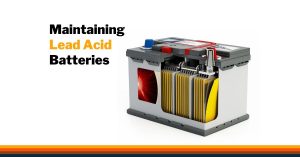
Lead Acid Battery Maintenance Essentials: From Flooded to Sealed Units
Discover essential Lead Acid Battery Maintenance tips and techniques to prolong the life of your batteries. From flooded to gel types, our guide covers all you need to ensure your batteries' optimal performance and longevity.
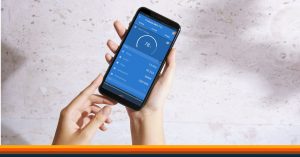
Victron Smart Solar App Guides
Explore Victron Smart Solar App guides for efficient motorhome solar system monitoring. Step-by-step tutorials to optimize your energy management.
Don’t Get Hacked | How to Change Your Victron PIN
Discover how to secure your Victron power systems in your motorhome. Learn to change the default Victron PIN, troubleshoot with PUK codes, and ensure uninterrupted power and safety on your travels.
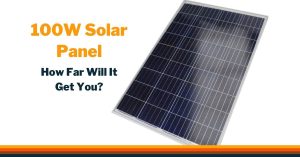
100W Solar Panel – How Far Will One Get You?
Explore the versatility of a 100W Solar Panel! Dive into its benefits, practical uses, and how it can elevate your off-grid adventures. Discover more with Motorhome Solar.
Cost of Solar Panels – How Falling Prices in China Can Benefit You
If you're drawn to the open road and the sense of adventure it brings, we have some intriguing news about the cost of solar panels that could make your travels even more enjoyable.In this article, we'll be exploring: Current Solar Market Trends: How an increase in polysilicon production is leading to historic lows in the cost of solar panels. How Motorhome Solar is Responding: Our approach to these market trends and how we aim to bring the best value to our customers. The Impact of Market...

Quieting the Tick-Tick-Tick – Exploring Quieter Diesel Heaters
Upgrade for a quieter diesel heater. DIY solutions or newer models with sound reduction. Enjoy warmth, peace, and quiet on your motorhome adventures.
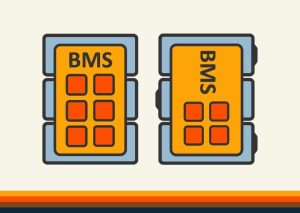
Prioritizing Safety on the Road: Why a Quality Battery with a BMS (Battery Management System) is a Must
Embark on a safe journey with the right battery. Learn from Wayne's first-hand experience about the importance of a Battery Management System (BMS) in your motorhome.
Embracing the Future: Innovations in Solar Panel Recycling
Learn about solar panel recycling: the next step in eco-friendly travel for motorhome and caravan owners.

Unfolding the Future of Renewable Energy at Smart Energy 2023, Sydney
Folding solar panels are evolving! Join Wayne Hunt as he uncovers cutting-edge advancements in efficiency and design.
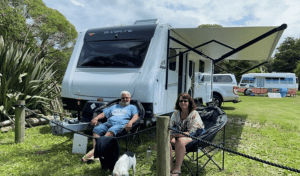
Unplugged and Loving It: The Story of a Semi-Retired Couple’s Off-Grid Adventure
Read about Greg and Sandy Corbett's journey to off-grid freedom in their 24-foot Jayco, powered by a custom Motorhome Solar solution that supports their work and leisure needs.
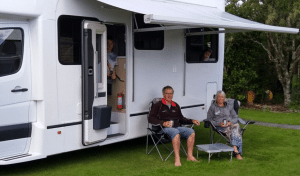
How an Ex-Rental Became a Solar Powered Off-Grid Superstar
No more rainy day worries: Keith & Brenda's ex-rental powered by Motorhome Solar for reliable off-grid living.
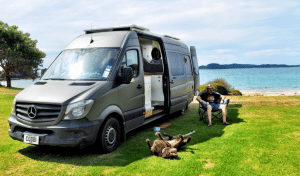
How Custom Designed Electrics Helped Convert A Courier Van Into A Comfy Off-Grid Camper
Learn how the team at Motorhome Solar helped Lloyd and Laura Jerome convert their courier van into a comfy off-grid camper with unhindered TV viewing, hot water, and heating. Get a free assessment of your vehicle and lifestyle requirements to design a customised solar system for your campervan setup. Contact Motorhome Solar for a no-obligation, lifestyle power assessment for your caravan or motorhome, in-person or remotely, anywhere in New Zealand.
Battery Bank Sizing: How to Ensure Your Batteries Survive Your Inverter
Avoid battery mishaps by sizing your battery bank correctly. In this post we chat about battery bank sizing for your inverter and other appliances.

Understanding Controller SOC (State of Charge)
Tech tip time - we review a PWM controller and the displayed State of Charge (SOC), how the controller is wired, and the impact that has on your battery.

Modified or Pure Sine Wave Inverters – Which Are Better?
An inverter is a device that converts direct current (DC) to alternating current (AC). Modified sine wave inverters are less expensive than pure sine wave inverters, but they may not work well with some appliances.

The Impact of Shade on Your Solar Panel
Many of our motorhomes have a lot of gear on the roof that can cause shading on some of our panels, which can reduce efficiency. Let's take a look at the detail.

A Solar System Upgrade
"I wanted a cleaner look in the main battery box on the lithium bank, so gave my system an upgrade. Take a look at what I did and the outcome."

A Word About Lithium Batteries
Wayne shares his research on Lithium batteries for motorhomes in NZ, to help to clarify an area of misinformation and huge price variances.